How to access this Automated eLearning Diagnostic & Preparation:
Go online to www.OurHappySchool.com. Through its search engine (upper right section), look for the entry “Logic Basics to Induction: A Fun Quiz Game.”
Try this exciting electronic fun quiz game!
For students: Print screen your score, print the file, and submit it to your professor. Or, print and submit instead the email containing your quiz result. Have fun!
Tag: “Logic Basics to Induction: A Fun Quiz Game.”
How to access this Automated eLearning Diagnostic & Preparation:
Go online to www.OurHappySchool.com. Through its search engine (upper right section), look for the entry “Reasoning and Public Speaking: A Fun Quiz Game.”
Try this exciting electronic fun quiz game!
For students: Print screen your score, print the file, and submit it to your professor. Or, print and submit instead the email containing your quiz result. Have fun!
Tag: “Reasoning and Public Speaking: A Fun Quiz Game.”
How to access this Automated eLearning Diagnostic & Preparation:
Go online to www.OurHappySchool.com. Through its search engine (upper right section), look for the entry "Correct Reasoning to Logic: A Fun Quiz Game"
Try this exciting electronic fun quiz game!
For students: Print screen your score, print the file, and submit it to your professor. Or, print and submit instead the email containing your quiz result. Have fun!
Tag: "Correct Reasoning to Logic: A Fun Quiz Game"
How to access this Automated eLearning Diagnostic & Preparation:
Go online to www.OurHappySchool.com. Through its search engine (upper right section), look for the entry “Parliamentary Debate: A Fun Quiz Game”
Try this exciting electronic fun quiz game!
For students: Print screen your score, print the file, and submit it to your professor. Or, print and submit instead the email containing your quiz result. Have fun!
How to access this Automated eLearning Diagnostic & Preparation:
Go online to www.OurHappySchool.com. Through its search engine (upper right section), look for the entry “Oxford-Oregon Debate: A Fun Quiz Game”
Try this exciting electronic fun quiz game!
For students: Print screen your score, print the file, and submit it to your professor. Or, print and submit instead the email containing your quiz result. Have fun!
How to access this Automated eLearning Diagnostic & Preparation:
Go online to www.OurHappySchool.com. Through its search engine (upper right section), look for the entry “Debate Formats and Speech: A Fun Quiz Game”
Try this exciting electronic fun quiz game!
For students: Print screen your score, print the file, and submit it to your professor. Or, print and submit instead the email containing your quiz result. Have fun!
How to access this Automated eLearning Diagnostic & Preparation:
Go online to www.OurHappySchool.com. Through its search engine (upper right section), look for the entry “The Basics of Debate: A Fun Quiz Game.”
Try this exciting electronic fun quiz game!
For students: Print screen your score, print the file, and submit it to your professor. Or, print and submit instead the email containing your quiz result. Have fun!
IF WE WERE to choose only ONE national hero who is best fitting to be regarded as ‘THE’ Philippine national hero, who would it be among the following? Would it be ...
To see how our MODERN E-Learning Reviewers work, please try this 5-item sample:
He was a Filipino nationalist and reformist and the most prominent advocate for reform in the Philippines during the Spanish colonial era. He was the inspiration and thus wrongly implicated as the leader of the Katipunan Revolution, and that led to his execution on December 30, 1896, now celebrated as Rizal Day. (Read: Jose Rizal's Contribution)
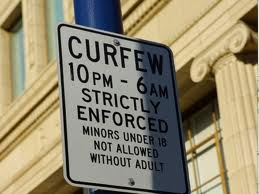
Many cities and towns have a curfew law in place to prevent teenagers from being out at certain times, typically spanning the late hours of the night or school hours during the day. Any teenager caught out after curfew can face a fine or even jail time, depending upon the specific laws of the town.