Submitted by admin on Thu, 08/29/2013 - 02:03
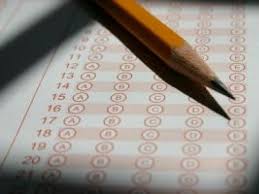
YOU DON’T HAVE to be a nerd to get good grades or to pass an examination. Anyone can do it by recognizing and employing some effective techniques before and during examination.
Most students and examinees fail to pass examination because they lack preparation, others take exam by simply relying on their ‘talent to guess’. Such scenario will not help you to attain your goal. Remember that aside from your personal dream, your family has expectations of you.
Submitted by admin on Thu, 08/29/2013 - 01:56
How To Deal with Terror Teachers
It is a natural scenario for us students to encounter terror professors or teachers once in a while. We feel doomed every time they enter or even take a step in our classroom. So the biggest question for us students is “How can we deal with our terror teachers or professors?
The following are some tips on how to deal with terror teachers:
1. Students must always do their assignments and tasks; it will show the teacher the effort that they make for the subject. They should also pay attention to the class lecture by listening carefully and not be interrupted by anything or anyone.
Submitted by admin on Tue, 08/27/2013 - 07:55
Drafting is a course which could bring about substantial artworks. In the Philippines (at least), is one of the specialized fields in Technology and Livelihood Education (T. L. E.) subject under the K to 12 curriculum.
Some students perceive this specialization as a hard subject even to those who have potentials in drawing. Hopefully, this article could change the students perception of the subject and help them to get high grades in Drafting.
Submitted by admin on Tue, 08/27/2013 - 07:07
 It is a usual problem to parents and teachers to make the children to read. Now more than ever, it is much harder to deal because kids have other things which can easily catch their attention like playing computer games, watching TV, and other things that have nothing to do with books or studying. This lecture would lead them to the path reading and enjoyment of books.
The following are 7 ways to get your children or students to read:
1. Choose a book for the child’s age
Provide the child with kinds of books intended for his age. Selecting the proper books is important because it gives a greater chance of getting the child’s interest.
Submitted by admin on Thu, 08/15/2013 - 04:35
“
 Behind every successful child is someone who cares.”
Accounting is the system that measures business activities, processes that information into reports, and communicates the results to decision-makers. For this reason, accounting is called the language of business. A sound understanding of this language will bring a better management of financial aspects of living.
Submitted by admin on Tue, 08/13/2013 - 07:17
There is no such thing as a
difficult subject. Subject will only become hard when you think that you cannot do it or you tell yourself that you cannot handle such subject. Many of us do think like this, most especially with subjects like Mathematics. Here’s how to get rid of such manner and to get high grades in your so-called
difficult subjects:
1. Get Organized. “A lot of people say this, but it really does help! Organizing your locker helps you remember to bring your supplies to class and to your house to do your homework and study. Organizing your notes will make them much easier to understand later on. Also, keep your desk/study space tidy, and make sure you have a clean, quiet place to study and do homework.” (wikihow.com)
Submitted by admin on Fri, 10/16/2020 - 13:14
A lot of college and university students do not order papers online because they think it is very expensive. However, it is high time to dispel this myth.
Submitted by admin on Thu, 06/18/2020 - 04:18
Submitted by admin on Tue, 05/26/2020 - 04:40

Success in a study is mostly a result of hard work, not talent. How many smart students achieve their goals if they were lazy? Not a one. But those who continued to do what they had to do, got what they wanted.
Submitted by admin on Thu, 04/30/2020 - 12:40
 Why Do People Refer to Essay Writing Services?
Pages